OUR STORY
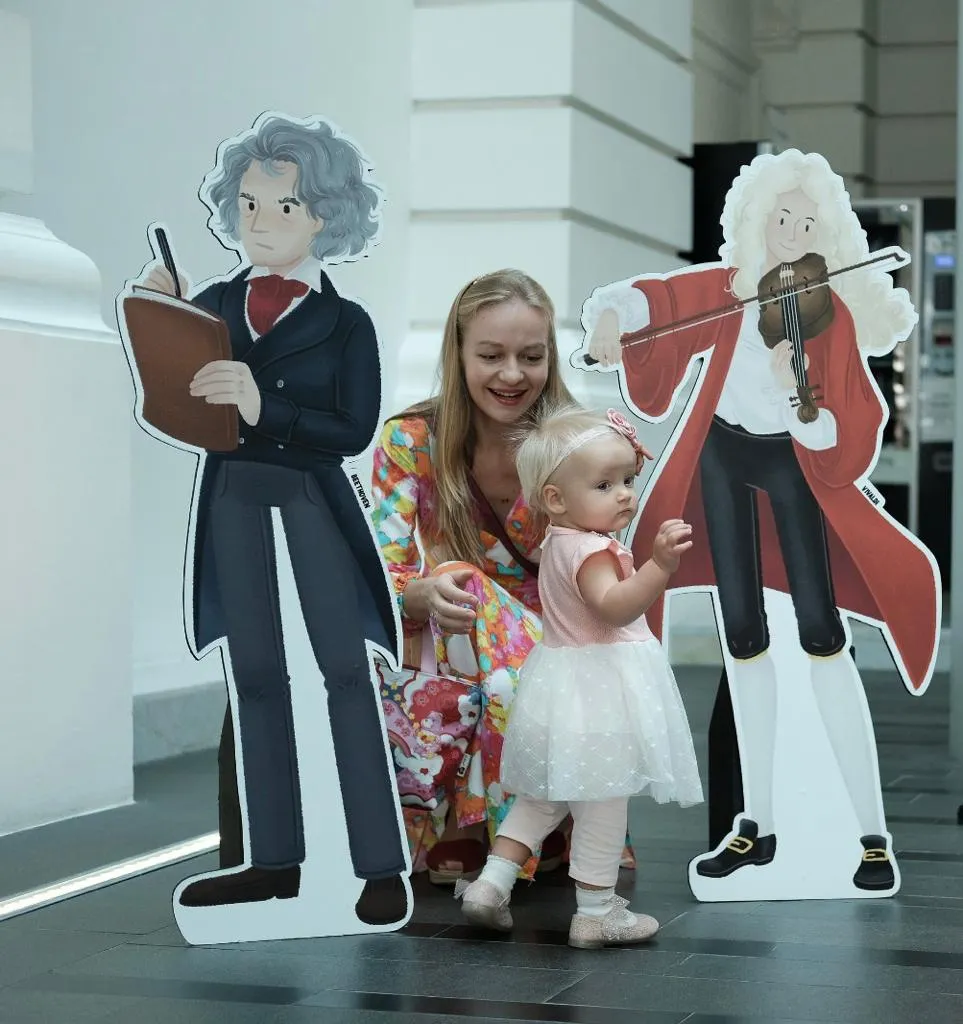

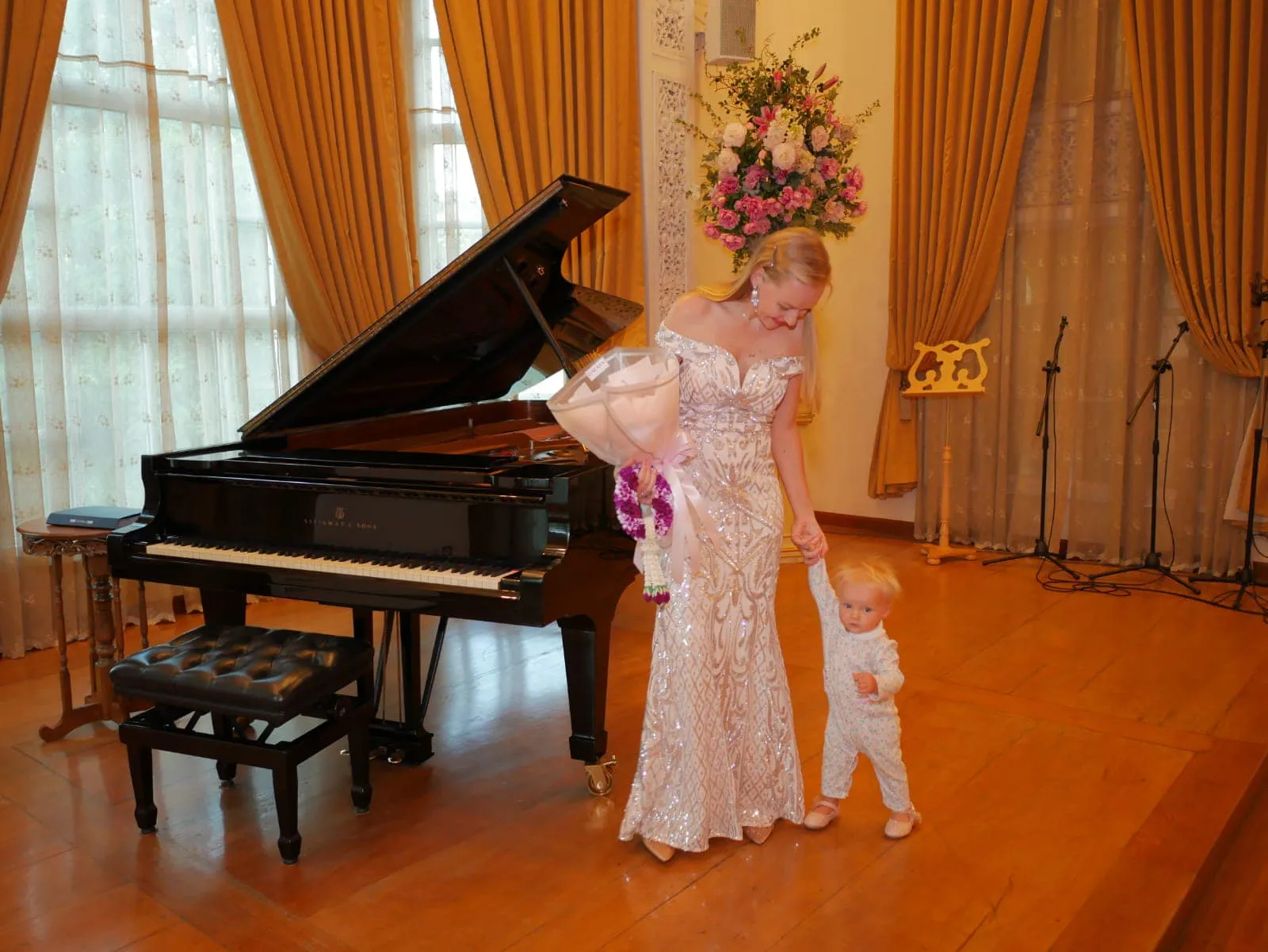

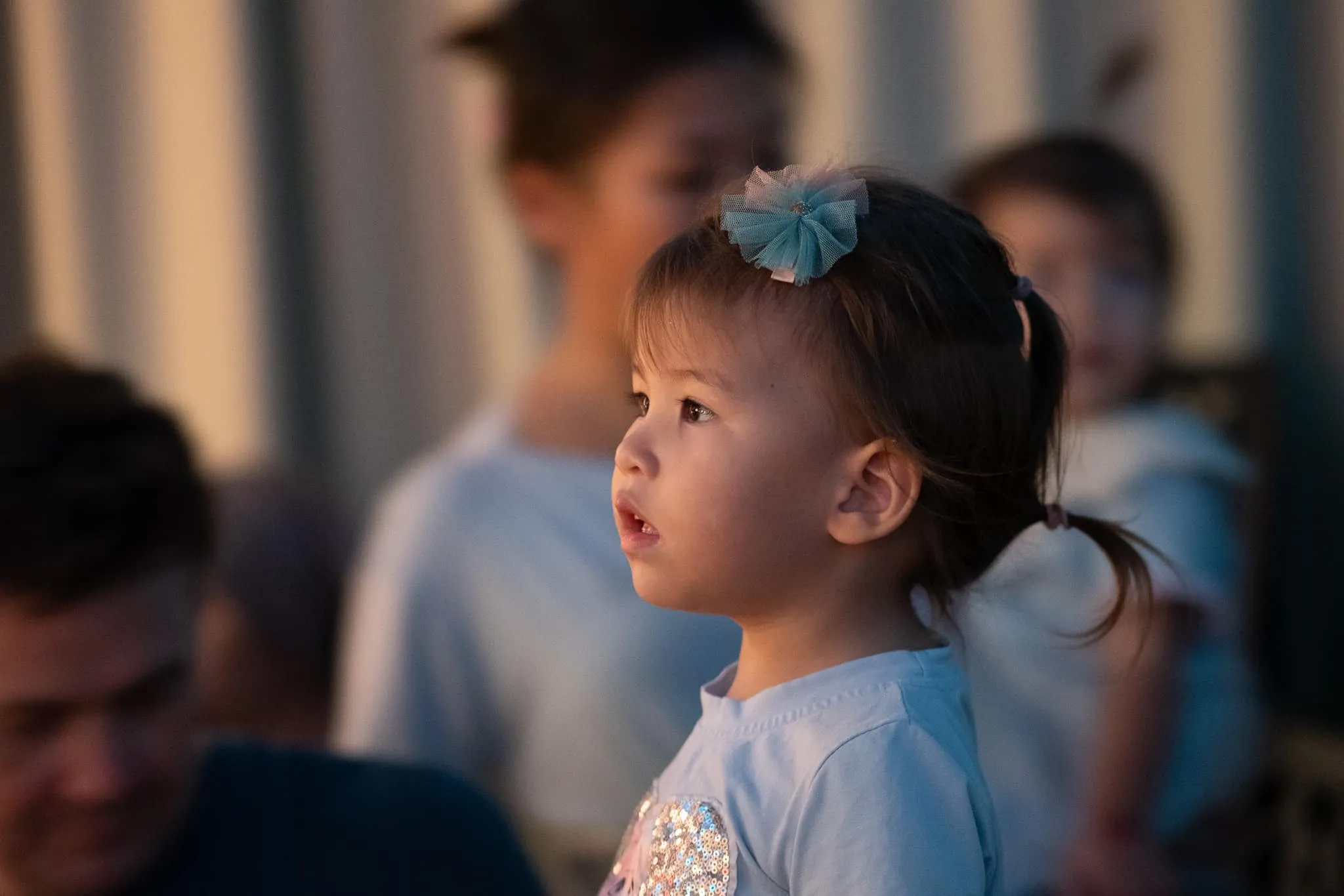
Symphony of Motherhood was originally launched by myself and my good friend, neonatologist Dr Irina Pasichnyk in conjunction with the Philharmonic Society in Kharkiv, Ukraine. In our original series expectant mothers would come weekly to the classical concerts and after the birth of their children bring their newborn babies for a continuous family experience.
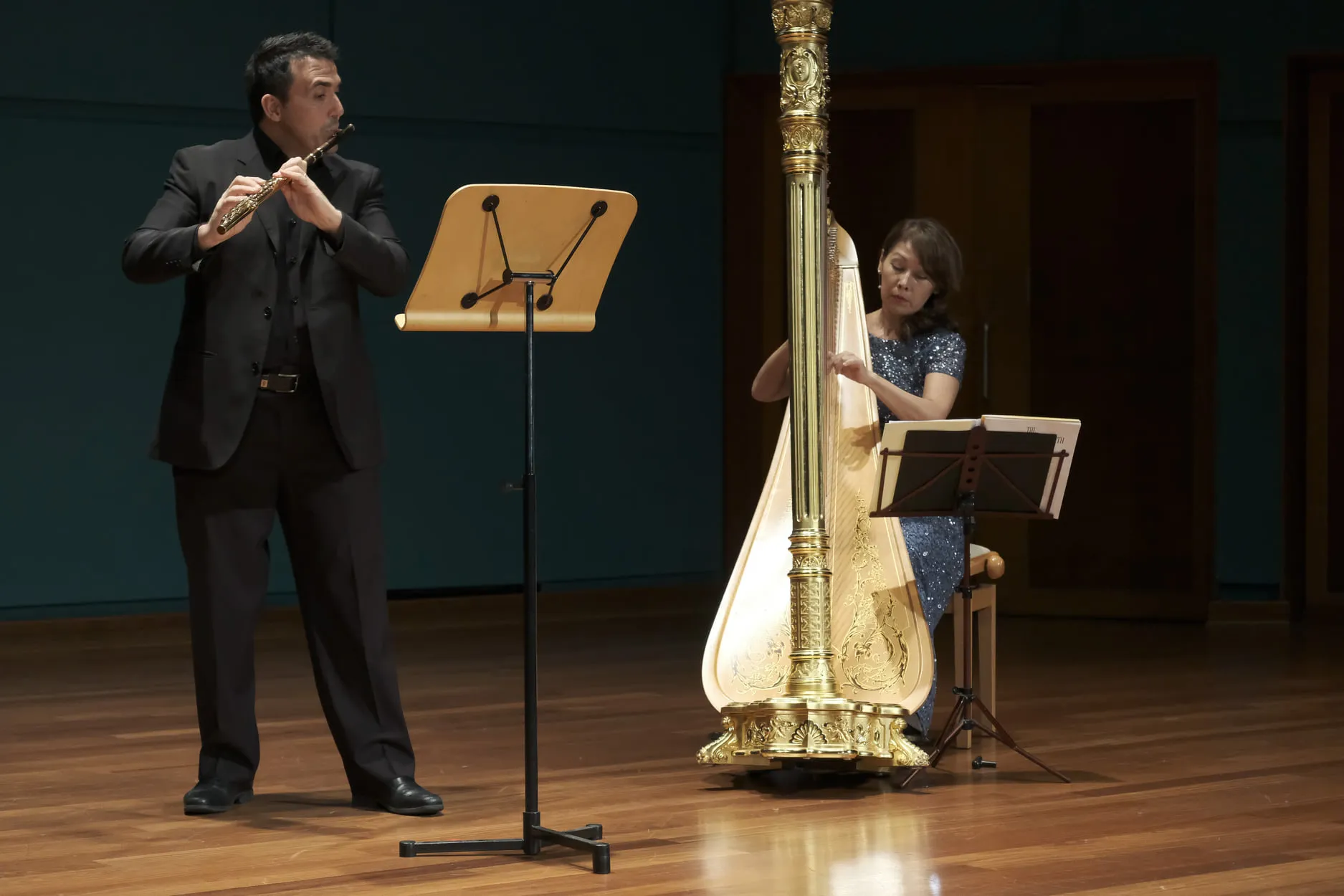
In 2013 we began implementing the Symphony of Motherhood model in Singapore, with our premier concert at the Esplanade Recital Studio. Subsequently, we have performed at the Arts House, the National Library, KK Women’s and Children’s Hospital, Tan Tock Seng Hospital, Madison Academy of Music, and other venues.
We were able to continue the concerts even during Covid in cooperation with the Rotary Club of Singapore. The concerts were broadcast to many countries around the globe in support of well-being and emotional stability for families.
As a mother and professional musician, I have witnessed the benefits of classical music surrounding my children during my pregnancy.
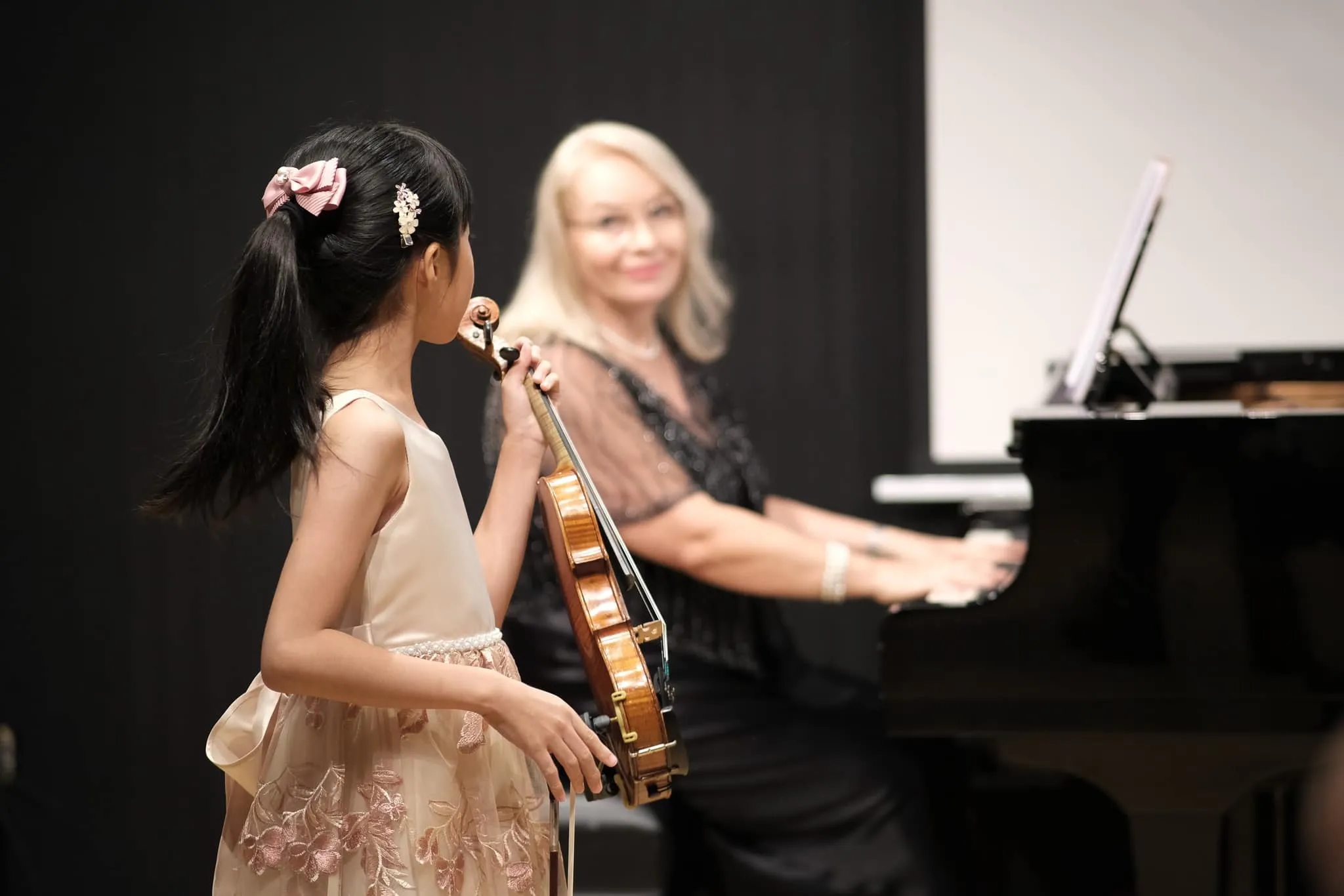
The series continues regularly and I have the great joy of hearing my daughter, who is also a concert pianist, perform, and her young daughter participating in the audience.
Iryna Vokhmyanina
Founder and Artistic Director
PhD, Professor of Music
WHY THIS MATTERS
Scientific research has shown that listening to classical music benefits the intellectual development of children and still unborn babies in many ways. Studies have proven that music can influence a child’s motor, language, social, cognitive, and academic abilities, it can boost their IQ and creativity, in addition to their emotional well-being.
Moreover, many studies conclude that playing music to babies in the womb and in the early years creates a feeling of calmness and inner harmony which has a positive influence on both mother and baby. The main idea of the project is to create an atmosphere which is conducive to a harmonious alignment of the emotional state between child and parent. This is achieved through various aspects of the concert, which includes a diverse range of instrumental and vocal music, combined with visual representations of great works of art, all of which enhances aesthetic appreciation for the arts in general.
An added benefit is that listening to music as a family strengthens family ties, learning to freely express our emotional and intellectual responses in a loving atmosphere.

FOUNDING ARTIST
Dr Iryna Vokhmyanina
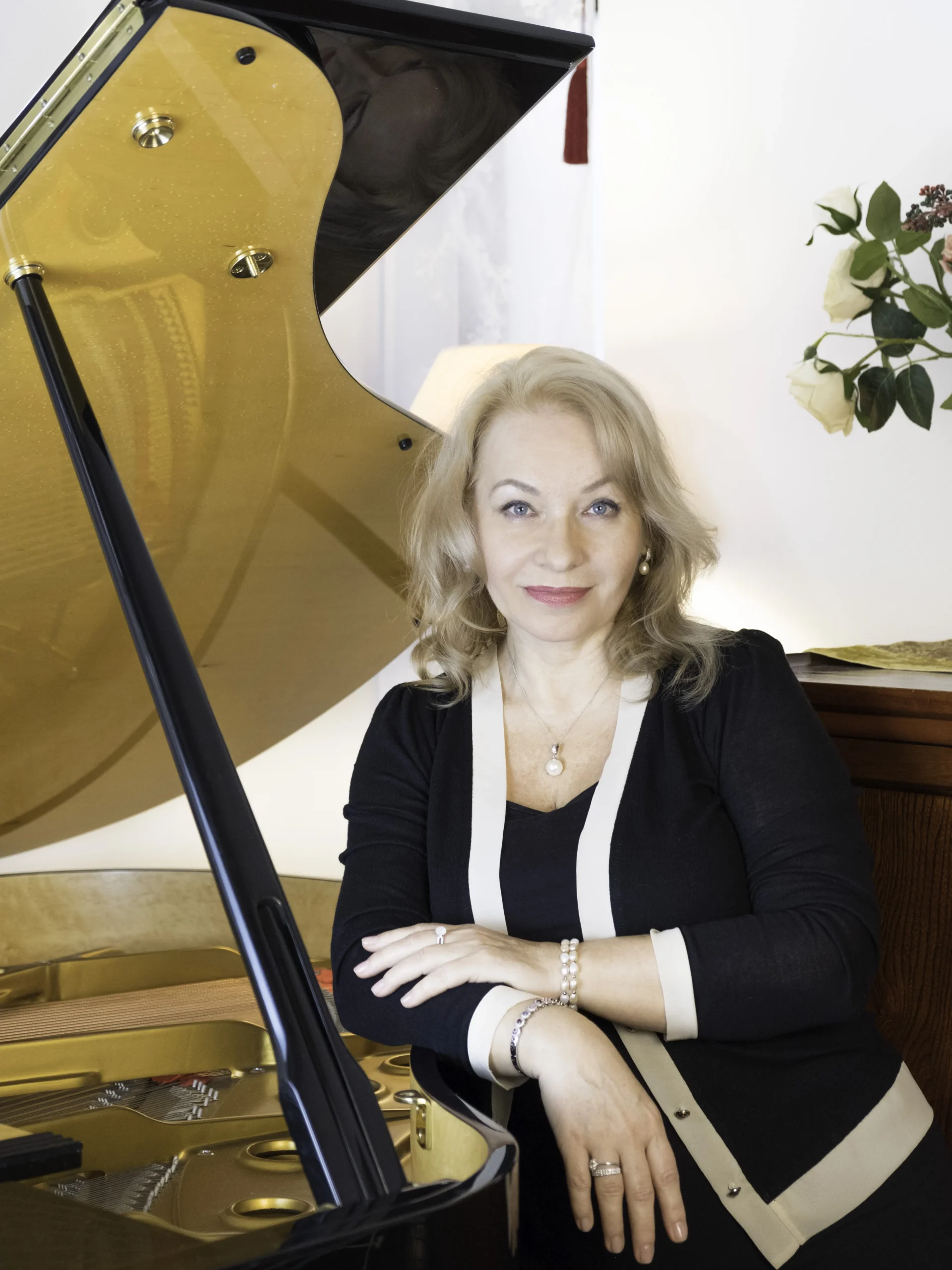
Iryna Vokhmyanina obtained her Master’s Degree from Moscow State Pedagogical University, receiving her degree in music pedagogy (piano specialisation), and subsequently her PhD in Music Education. Since then, Iryna has combined both teaching and performance careers. She is a laureate of several international music competitions and often performs chamber music recitals.
Dr Vokhmyanina has taught piano at various colleges and universities in Europe and Asia. For many years, Dr Vokhmyanina held the position as a piano professor in the Department of Performing Arts at Kharkiv National Pedagogical University, Ukraine. Iryna’s professional teaching experience covers more than 30 years. Her students have won international music competitions in the UK, Ukraine, Austria, Thailand, Indonesia, USA, Sweden, Australia and Singapore and have successfully matriculated at the world’s prestigious conservatories and universities. She is often invited to conduct piano masterclasses worldwide, including Music Summer Academy (Olbia, Italy), Kurozwęki Music Summer Academy (Poland), Singapore Raffles International Music Festival.
Dr Vokhmyanina is a sought after jury panelist for international music competitions and festivals, such as Thailand Chopin Piano Competition and Singapore Steinway Youth Piano Competition. Among her credits, Dr Vokhmyanina includes her role in the establishment of “Symphony of Motherhood” concert series in Singapore since 2012 as both Founder and Artistic Director; Founding Member and Artistic Director of the “Chamber Music Society of Singapore” since 2015; and Honorary President of the WPTA Singapore since 2017.
Dr Vokhmyanina joined Madison Academy of Music as Music Director in 2022, adding to her role as piano pedagogue and mentor to the advanced cohort of piano performance students.